Emergency water removal vs. waiting: how long before mold grows in Florida?
Mold can start growing in Florida within 24 to 48 hours of water damage. Here is the real timeline, what waiting costs you, and how emergency extraction stops it.
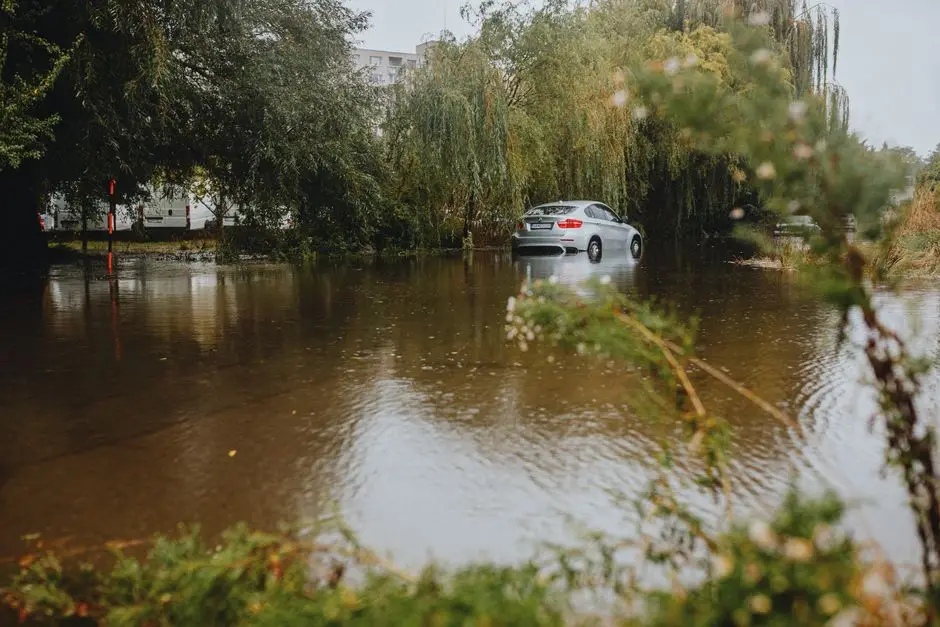
Mold can begin growing in a Florida home within 24 to 48 hours of water damage, and visible colonies often appear in 3 to 7 days. Waiting even one day to start extraction gives mold spores the moisture, warmth, and humidity they need to colonize drywall, baseboards, and carpet padding. Emergency water removal vs. waiting is not a close call in this state - the difference is usually a few hundred dollars of drying versus thousands in mold remediation.
Below we break down the exact timeline, why Florida's climate compresses it, what waiting really costs, and how to stop mold before it starts.
How long before mold grows after water damage in Florida?
In Florida, mold growth after water damage typically starts within 24 to 48 hours, and that window shrinks to under 24 hours when indoor humidity is above 60% or the water came from a Category 2 or Category 3 source like a toilet overflow or sewage backup. The 24-to-48-hour figure is the industry standard, but Florida's average indoor relative humidity - often 55% to 70% even with the AC running - pushes most homes toward the fast end of that range.
Three conditions have to line up for mold to take hold: moisture, organic material (drywall paper, wood framing, carpet backing, dust), and warmth. Florida supplies all three year-round. A slow roof leak in July can seed mold in a closet ceiling in a single weekend. A burst pipe under a kitchen sink in January can do the same thing because the interior of the cabinet stays warm and damp.
Emergency water removal is the process of extracting standing water, pulling moisture out of building materials, and drying the structure fast enough that mold never gets a foothold. It is the category of work that has to happen in the first 24 hours - not the second or third day.
Why Florida's climate shortens the mold clock
Florida's heat and humidity mean the mold clock here runs faster than in almost any other state. A homeowner in Denver might get 48 to 72 hours of grace after a washing machine leak. A homeowner in Tampa, Miami, or Orlando often gets 24.
Here is what is working against you:
- Outdoor humidity: Florida's coastal and central counties regularly sit between 70% and 90% relative humidity. Every time a door opens, that moisture enters.
- Warm interior temperatures: Mold grows fastest between 77°F and 86°F. Most Florida homes sit in that band for ten months of the year.
- Afternoon thunderstorms: A storm and hurricane water damage extraction call in June or September usually means water came in through a roof, window, or sliding door - and the outdoor air is already saturated.
- Slab-on-grade construction: Many Florida homes have no basement, so water spreads across tile and into baseboards instead of draining down. That means more wetted surface area and more places for mold to start.
We see this every week in older coastal neighborhoods, especially across emergency water removal St. Petersburg FL where 1950s block homes and newer builds share the same humid air and the same 24-hour problem.
What waiting actually costs you
Waiting a day or two to "see if it dries on its own" is the single most expensive decision a Florida homeowner makes after a leak. The math is not subtle.
Typical 2026 pricing in Florida:
- Emergency water extraction and structural drying: $1,200 to $3,500 for a single room, depending on water category and square footage.
- Mold remediation: $1,500 to $6,000 for the same area once colonies are established, and often more if HVAC ducts are involved.
- Drywall, baseboard, and cabinet replacement: $800 to $4,000 on top of remediation when contaminated materials have to come out.
- Temporary relocation: $100 to $250 per night if the affected area includes a bedroom or the only bathroom.
Waiting also changes how your insurance claim is handled. Most Florida homeowners policies cover sudden and accidental water damage - a burst pipe, a failed supply line, a toilet overflow. They typically do not cover mold that resulted from neglected maintenance or from a leak you knew about and did not address. A claim that starts as a $2,000 extraction can turn into a denied mold claim if the adjuster decides the growth was preventable.
If you want a full picture of what we handle, our emergency water extraction Florida service covers extraction, drying, and moisture verification in one visit.
What emergency water removal does that a shop vac cannot
A wet/dry shop vac pulls up surface water. It does not pull moisture out of drywall, subfloor, or the bottom plate of a wall - and that hidden moisture is what feeds mold.
Here is what a real extraction and drying job includes:
- Water classification. Category 1 is clean supply-line water. Category 2 is gray water from a washing machine or dishwasher. Category 3 is black water from sewage or outdoor flooding. Category 3 requires removal of porous materials, not just drying.
- Truck-mounted extraction. Commercial extractors pull water out of carpet and pad at a rate a shop vac cannot match, and they reach the subfloor through the pad.
- Moisture mapping. Pin meters and thermal imaging find water that has traveled inside walls and under tile - the spots you cannot see.
- Air movers and dehumidifiers. We set 1 air mover per 10 to 16 linear feet of wall and run commercial LGR dehumidifiers to pull the room below 50% relative humidity.
- Daily moisture readings. Drying is not done until the meter readings match a dry standard for that material. That usually takes 3 to 5 days.
If the water came from a storm, the job is bigger. Our hurricane flood water removal Florida team handles wind-driven rain, roof breaches, and storm surge intrusion - all of which are almost always Category 3.
The mold growth timeline after flooding in Florida
The mold growth timeline after flooding in Florida moves faster than most homeowners expect. Here is what actually happens hour by hour and day by day.
- 0 to 24 hours: Water spreads through carpet, pad, and drywall. Mold spores - already present in every home - land on wet surfaces and begin to germinate. No visible growth yet.
- 24 to 48 hours: Germination completes. Microscopic hyphae (root-like threads) anchor into drywall paper and wood. A musty smell may appear before anything is visible.
- 48 to 72 hours: Early colonies form. You may see faint dark speckling on baseboards, drywall corners, or the underside of cabinets.
- 3 to 7 days: Visible mold. Green, black, or white patches spread across drywall, ceiling tiles, and carpet backing. Spore counts in the air rise sharply.
- 1 to 2 weeks: Established contamination. Mold has moved into wall cavities and, in many homes, into the HVAC system. Remediation now requires containment and removal of porous materials.
Once mold reaches the 1-to-2-week mark, the job shifts from drying to demolition. That is the outcome emergency extraction is designed to prevent.
How to prevent mold after water damage in Florida
Preventing mold after water damage in Florida comes down to speed and airflow. If you can get the affected area dry within 24 to 48 hours, mold almost never takes hold.
What you can do before we arrive:
- Shut off the water source. If it is a burst pipe or supply line, close the main valve. If it is a roof leak, get a tarp over the breach.
- Kill the power to the wet area at the breaker if there is any chance water reached outlets or appliances.
- Pull up wet rugs and move furniture off the wet floor. Wood and fabric legs wick water and trap moisture underneath.
- Run your AC. A working air conditioner removes humidity. Set it lower than usual - 68°F to 70°F - to slow mold germination.
- Do not run a box fan over Category 3 water. If the water came from sewage or outdoor flooding, a fan spreads contaminated droplets through the house.
- Do not crank the heat. Heat speeds mold growth and does not dry the structure faster than a dehumidifier.
If the source was a plumbing failure, we handle the extraction side and coordinate with a licensed plumber for the repair. Our pipe burst water extraction Florida service is built for exactly this scenario - water off, water out, structure dry.
Common mistakes that speed up mold growth
We walk into homes every month where the homeowner did everything right except one thing. Here are the mistakes that turn a small leak into a mold job.
- Assuming tile floors are safe. Tile is waterproof. The grout, thinset, and subfloor underneath are not. Water trapped under tile feeds mold for weeks.
- Drying only the visible area. Water travels along joists and inside wall cavities. If you only dry the floor you can see, mold starts behind the baseboard.
- Turning off the AC to "air out" the house. In Florida, opening windows in July adds humidity. Keep the AC on and let a dehumidifier do the work.
- Waiting for the insurance adjuster before starting extraction. You are not required to wait. Document the damage with photos, then start mitigation. Most policies require you to prevent further damage.
- Painting or caulking over a musty smell. That traps moisture and mold behind a fresh coat. It comes back worse.
- Ignoring the HVAC. If the system ran while the house was wet, spores cycled through the ducts. Duct cleaning and sometimes replacement are part of the fix.
When to call a professional
Call a professional the moment water touches more than a bath towel can handle, or the moment you cannot identify the source. That includes any water that reached drywall, any water from a toilet or sewage line, any water that sat overnight, and any leak you cannot see the end of.
Florida Aero Dry Restoration handles emergency water damage extraction across Florida - extraction, drying, moisture verification, and documentation for your insurance claim. We bring the meters, the extractors, and the dehumidifiers. You get a dry house and a written record of what happened.
If you are in an area we cover, we can usually be on-site the same day. For homeowners in the northeast part of the state, our emergency water removal Jacksonville FL team runs the same 24-hour response. For South Florida, the emergency water removal Miami FL crew handles everything from condo supply-line failures to storm intrusion.
Frequently Asked Questions
How long before mold grows after water damage in Florida?
Mold can start growing within 24 to 48 hours in Florida, and visible colonies usually appear in 3 to 7 days. High indoor humidity - common here even with AC running - pushes growth toward the fast end of that range. The faster you extract and dry, the smaller the risk.
Does emergency water removal prevent mold in Florida?
Yes, when it starts within 24 hours. Emergency extraction removes standing water, pulls moisture from building materials, and dries the structure below 50% relative humidity. If the area reaches a dry standard within 3 to 5 days, mold almost never establishes. Waiting past 48 hours sharply raises the odds.
How much does mold remediation cost in Florida?
Typical 2026 pricing in Florida runs $1,500 to $6,000 for a single affected room, and more if HVAC ducts or multiple rooms are involved. Emergency water extraction and drying costs $1,200 to $3,500 - usually far less than remediation. Preventing mold is almost always cheaper than removing it.
Does Florida homeowners insurance cover mold after water damage?
Most Florida policies cover mold that results from a sudden, accidental water event - a burst pipe, failed supply line, or appliance leak - up to a sublimit, often $10,000. They typically exclude mold from neglected maintenance or long-term leaks. Starting extraction fast and documenting everything strengthens the claim.
What should I do to stop mold growth after water damage in Florida?
Shut off the water, kill power to the wet area, move furniture and rugs, and run your AC at 68°F to 70°F. Call for emergency extraction the same day. Do not run fans over sewage-contaminated water and do not wait for the insurance adjuster before starting mitigation.
Get help with Emergency Water Damage Extraction in Florida
Every hour you wait in Florida humidity is an hour mold spends getting established. We extract the water, dry the structure, and document everything for your claim - usually the same day you call.
Call Florida Aero Dry Restoration at +1 (855) 574-2638 and we will get a crew moving to your address.