How to prevent sewage backup water damage in Miami homes
Sewage backups in Miami are preventable. Learn the causes, the fixes, and the costs so you can protect your home before the next heavy rain.
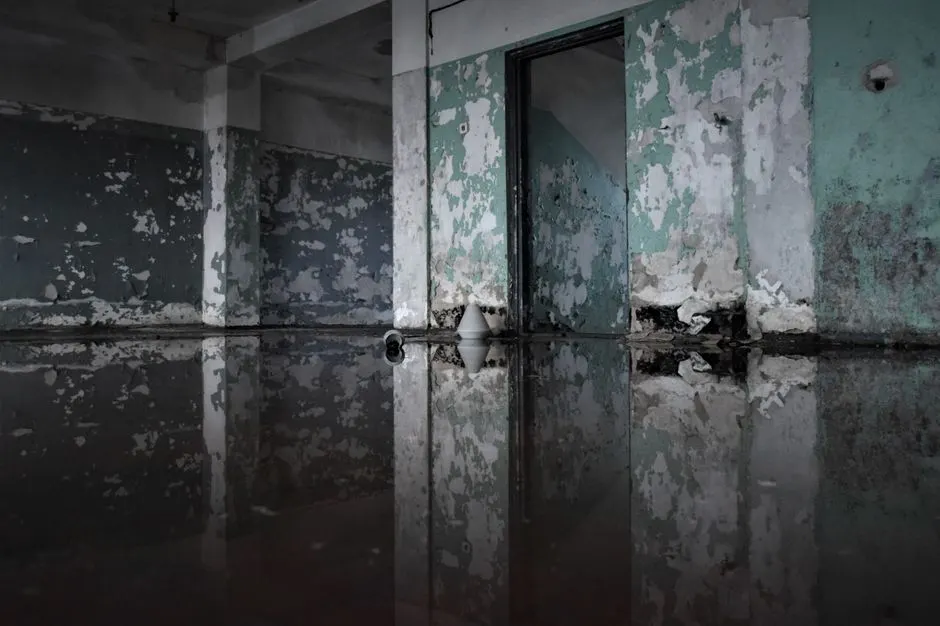
You can prevent most sewage backup water damage in Miami homes by installing a backflow valve, keeping the city's lateral line clear, and never flushing grease or wipes. The first two sentences of this article answer the title directly: the best prevention is a backflow prevention valve on your main sewer line, combined with annual inspections and smart water habits. Everything after this paragraph explains how to do it, what it costs in 2026, and when to call for emergency extraction.
Miami's flat terrain, aging clay pipe networks, and intense rainy season create conditions where a blocked line can turn into a Category 3 biohazard inside your home within hours. We have extracted sewage from hundreds of Miami properties, from Little Havana bungalows to Brickell high-rises, and the pattern is always the same: the homeowner had no backflow valve and no idea the line was failing. This guide gives you the prevention checklist we wish every homeowner had before the first backup.
Why Miami homes are prone to sewage backups
Miami homes are prone to sewage backups because the city sits at or below sea level, the sewer laterals are often 50 to 70 years old, and the rainy season dumps 8 to 12 inches of water in a single storm. When the municipal system surcharges, the water has nowhere to go but up your floor drain. That is the physics of it.
The building stock matters too. In neighborhoods like Coral Gables and Little Havana, many homes still have original cast-iron or clay sewer laterals. Those pipes crack, root intrusion happens, and the line sags. In newer construction, the problem is often slope: builders cut corners on grade, and waste moves slower than it should. Both scenarios set you up for a backup the next time the city main fills up.
We see this every week across Emergency Water Damage Extraction in Miami, Florida where the combination of flat ground and aging infrastructure means a single blocked lateral can flood a first floor in under an hour. If you live in a low-lying area like Miami Beach or the Roads, your risk is even higher because the water table itself pushes back against drainage.
How to prevent sewage backup water damage in Miami homes
Preventing sewage backup water damage in Miami homes comes down to three layers of defense: a backflow valve, a maintained lateral line, and household habits that keep solids out of the system. You do not need all three to be perfect, but the more layers you have, the less likely you are to see sewage on your floor.
Install a backflow prevention valve
A backflow prevention valve is a one-way gate on your main sewer line that lets waste leave but stops city sewage from re-entering. In Miami-Dade County, new construction and major renovations are required to have one, but older homes often do not. Installation runs $1,200 to $3,500 in 2026 depending on pipe material and access. That is a fraction of what a single sewage backup cleanup costs.
We recommend an annual test of the valve, especially before hurricane season. A stuck valve is the same as no valve. If you are not sure whether your home has one, a licensed plumber can camera the line and tell you in 30 minutes.
Schedule a sewer lateral inspection every 18 to 24 months
Your sewer lateral is the pipe from your house to the city main. Roots, grease, and scale build up inside it. A camera inspection costs $250 to $450 and catches problems before they become backups. We tell Miami homeowners to do this every 18 to 24 months, and always before the rainy season starts in May.
If the camera finds roots or cracks, hydro-jetting or a spot repair is far cheaper than emergency extraction. And if you are already dealing with water in the basement or lower level, our Flooded Basement Water Extraction in Florida team can remove the standing water and dry the space while the plumber fixes the line.
Keep grease, wipes, and paper towels out of drains
Grease is the number one cause of residential sewer clogs in Miami. It coats the pipe, catches everything else, and hardens into a plug. Wipes labeled "flushable" do not break down. Paper towels do not either. Put them in the trash, not the toilet.
If you have a garbage disposal, run cold water for 20 seconds after each use and never put coffee grounds, eggshells, or fibrous vegetables down the drain. These small habits add years to your lateral's life.
What causes sewage backup in Miami homes?
Sewage backups in Miami homes are caused by four things: blockages in your lateral, surcharging in the city main, root intrusion, and structural failure of old pipes. The first two are the most common, and both are preventable.
Blockages happen when grease, wipes, or debris narrow the pipe. Surcharging happens when heavy rain overwhelms the municipal system and water reverses into your home. Root intrusion is common in older neighborhoods where ficus and oak roots find cracks in clay pipes. Structural failure is what it sounds like: the pipe collapses or offsets, and waste cannot pass.
We also see backups caused by improper grading after a renovation. If a contractor changed the slope of your lateral, waste may sit in the pipe instead of flowing. That is a fixable problem, but it requires a plumber who understands Miami's flat terrain.
Common mistakes that make backups worse
The biggest mistake we see is waiting. Homeowners smell sewage, see a slow drain, and decide to "watch it" for a few days. By the time they call, the water has soaked into drywall, baseboards, and flooring. Sewage is Category 3 water, which means it carries bacteria, viruses, and parasites. Every hour it sits, the contamination spreads and the cleanup cost goes up.
Other mistakes:
- Using a plunger on a sewage backup. That pushes contaminated water into other fixtures and can make the mess worse.
- Running water in the house. If the main line is blocked, every flush or sink use adds more water to the backup.
- Assuming homeowners insurance covers it. Standard policies often exclude sewage backup unless you added a rider. Check your policy before you need it.
- Cleaning with a shop vac and calling it done. Sewage requires antimicrobial treatment and proper disposal of porous materials. A shop vac does not sanitize.
- Ignoring the smell after the water is gone. If it still smells, the contamination is still there, likely inside walls or under flooring.
If you have already made one of these mistakes, do not panic. Call a professional extraction team. We handle Sewage Backup Water Extraction in Florida every week, and we can usually save more of your home than you think.
When to call a professional for sewage backup water removal
Call a professional the moment you see sewage water inside your home. Do not wait for it to drain. Sewage water is a biohazard, and the extraction and sanitation process requires commercial equipment, PPE, and disposal that meets Florida health regulations.
We tell homeowners to call us if any of these are true:
- The backup is more than a small puddle around a floor drain.
- Water has reached drywall, carpet, or cabinets.
- You smell sewage in rooms far from the backup.
- The backup happened more than once in the last year.
- You have a finished basement or lower level.
Our team at Florida Aero Dry Restoration handles emergency sewage backup water removal, sanitation, and drying. We extract the water, remove contaminated materials, treat the area with antimicrobials, and dry the structure so mold does not take hold. We also work directly with your insurance adjuster to document the loss.
If the backup was caused by a storm or hurricane, our Storm and Hurricane Water Damage Extraction in Florida team is ready. We have seen what a surcharged city main does to a Miami home after a tropical storm, and we know how to stop the damage from spreading.
How much does sewage backup cleanup cost in Miami?
Sewage backup cleanup in Miami costs $3,500 to $12,000 for most homes, with severe cases reaching $20,000 or more. The range depends on square footage affected, how long the water sat, and whether contaminated materials like drywall or flooring need removal.
Typical 2026 pricing in this area breaks down like this:
- Emergency extraction and initial cleanup: $1,200 to $3,500
- Antimicrobial treatment and sanitization: $800 to $2,500
- Structural drying (3 to 5 days): $1,500 to $4,000
- Removal and disposal of contaminated materials: $500 to $2,500
- Reconstruction (if needed): $2,000 to $10,000+
Homeowners insurance may cover part of this if you have a sewage backup rider. Without it, you are paying out of pocket. That is why the $1,200 to $3,500 you spend on a backflow valve is the best money you will ever spend on your home.
We provide upfront pricing before we start. No surprises, no hidden fees. If you are in a neighboring city like Hialeah or Coral Gables, we also serve Emergency Water Damage Extraction in Hialeah, Florida with the same response time and pricing.
Frequently Asked Questions
How can I prevent sewage backup water damage in Miami?
Install a backflow prevention valve on your main sewer line, inspect your lateral every 18 to 24 months, and never flush grease or wipes. These three steps prevent the vast majority of backups. If you live in a low-lying area, add a sump pump with battery backup for extra protection.
What causes sewage backup in Miami homes?
Blockages from grease and wipes, surcharging in the city main during heavy rain, root intrusion in old clay pipes, and structural failure of aging laterals. Miami's flat terrain and intense rainy season make all four more likely than in other cities.
How much does sewage backup cleanup cost in Miami?
Most cleanups run $3,500 to $12,000 in 2026. Severe cases with extensive contamination can exceed $20,000. The final cost depends on square footage, how long the water sat, and whether materials like drywall or flooring need removal.
Does Miami homeowners insurance cover sewage backup?
Standard policies usually exclude sewage backup unless you added a specific rider or endorsement. Check your declarations page. If you do not have coverage, adding it typically costs $50 to $150 per year and is worth every penny in Miami.
Who do I call for sewage backup water removal in Miami?
Call Florida Aero Dry Restoration at +1 (855) 574-2638. We handle emergency extraction, sanitation, and drying 24/7. We also work directly with your insurance company to document the loss and speed up your claim.
Get help with Emergency Water Damage Extraction in Miami
If sewage has already backed up into your home, every hour counts. Our team is ready to extract the water, sanitize the space, and dry your home before mold sets in. Call us now at +1 (855) 574-2638 for emergency service.