How to protect your commercial property from water damage during hurricane season
Hurricane season runs June through November in Florida. Here is how to protect your commercial property from water damage before, during, and after the storm.
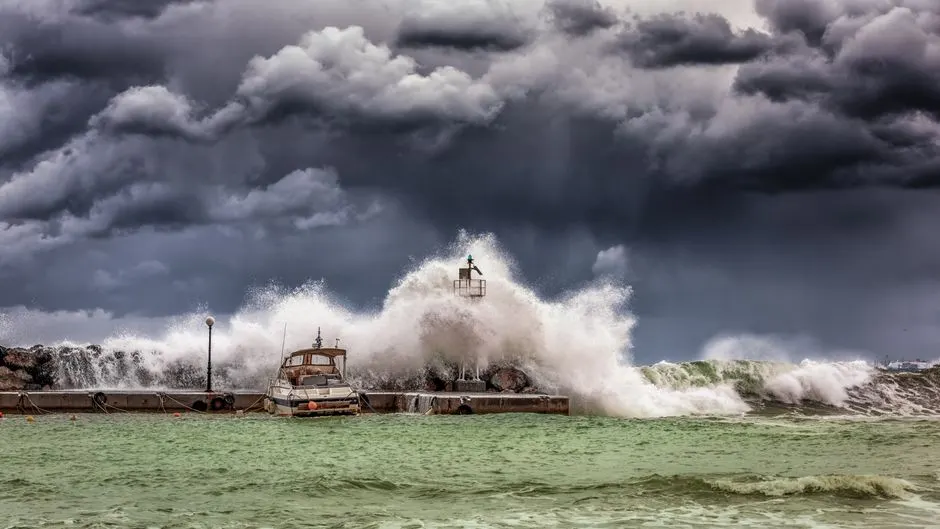
Protecting your commercial property from water damage during hurricane season in Florida comes down to three phases: prepare the building before the storm, control water intrusion during it, and dry everything fast after it. The single most important step is having a written plan and the right materials ready before a named storm enters the Gulf. This guide walks through each phase with specific numbers, costs, and the mistakes we see most often on commercial jobs across the state.
Why Florida Commercial Properties Face Unique Hurricane Water Damage Risks
Florida's hurricane season runs June 1 through November 30, and the state averages about 50 inches of rain per year, with some coastal counties seeing over 60. That volume hits commercial roofs, parking lots, and loading docks that were never designed to shed water that fast. A flat membrane roof on a 20,000-square-foot warehouse can pond thousands of gallons in a single afternoon. When the drains clog with debris, the water finds the seams.
Wind-driven rain is the other problem. At 100 mph, rain pushes sideways through door sweeps, window gaskets, and rooftop HVAC curbs. We have pulled soaked ceiling tiles from buildings in Miami water damage restoration Florida where the roof itself never failed - the water came in around the unit penetrations. Inland cities like Orlando and Tallahassee deal with freshwater flooding from stalled tropical systems, while coastal areas face storm surge that can push saltwater into ground-floor retail and restaurant spaces.
Commercial buildings also have more to lose. A single wet server room can shut down a business for a week. Wet inventory, wet files, and wet manufacturing equipment all carry replacement costs that dwarf the extraction bill. That is why commercial water damage protection in Florida is less about saving the carpet and more about keeping the doors open.
What should businesses do before hurricane season in Florida?
Before hurricane season in Florida, businesses should inspect and clear all roof drains, test sump pumps, seal door and window openings, elevate stored inventory at least 6 inches off the floor, and pre-qualify a commercial water extraction company. Doing this in April or May costs a fraction of what emergency response costs in September.
Here is the pre-season checklist we hand to property managers:
- Roof and drainage: Clear every drain, scupper, and gutter. Check membrane seams for lifting. A roof inspection runs $300 to $800 for a commercial building in 2026.
- Sump pumps and backflow valves: Test each pump with a bucket of water. Install backflow preventers on floor drains if you do not have them - a sewage backup during a storm is a health hazard, not just a wet floor.
- Door and window seals: Replace worn sweeps and gaskets. Wind-driven rain enters through gaps as small as 1/8 inch.
- Inventory elevation: Move cardboard, paper, and electronics onto pallets or shelving at least 6 inches above the slab.
- Emergency contact list: Have a commercial water removal Florida provider on speed dial before the storm forms. After landfall, every restoration company in the state is booked solid.
We also tell clients to photograph everything - roof, mechanical rooms, electrical panels, inventory - before the season starts. Those photos speed up insurance claims and help adjusters see what was there before the water.
How to protect your commercial property from water damage during hurricane season
How to protect your commercial property from water damage during hurricane season is a sequence: secure the envelope, manage water that gets in, and dry fast. No building stays perfectly dry in a major storm. The goal is to keep water away from the expensive stuff and get it out within 24 to 48 hours.
Before landfall: secure the building envelope
Install storm shutters or plywood over windows and glass doors. Sandbag low entry points - a 50-pound sandbag holds back about 1 foot of water. If you have a loading dock, seal the dock levelers with plastic sheeting and sandbags. Shut off gas and non-essential electrical circuits at the breaker. Move vehicles and equipment to higher ground.
During the storm: monitor and document
If it is safe to stay, check for water intrusion every hour. Place towels or absorbent socks at doorways where water is seeping in. Do not walk through standing water near electrical panels. Document everything with your phone - time, location, depth. If you evacuate, do not re-enter until local officials say it is safe.
After the storm: extract water immediately
Standing water in a commercial building grows mold in 24 to 48 hours. Category 1 water from a roof leak becomes Category 2 within a day as it picks up dirt and bacteria. That is when you call a professional for Commercial Water Damage Extraction in Florida. We use truck-mounted extraction units that pull hundreds of gallons per minute, then set up industrial dehumidifiers and air movers to dry the structure. A 10,000-square-foot space with 2 inches of water typically takes 2 to 4 days to dry completely.
If the storm surge pushed saltwater into your building, the cleanup is different. Saltwater corrodes metal, damages electronics, and leaves behind contaminants. You need a team that knows how to handle hurricane water extraction services Florida - not a general cleaning crew.
Common mistakes that make commercial water damage worse
The most common mistake is waiting. Every hour you delay extraction increases the chance of mold, warped flooring, and ruined drywall. Here is what we see on commercial jobs that went wrong:
- Assuming insurance will cover everything. Most commercial policies cover hurricane water damage, but they do not cover flood damage unless you have a separate flood policy. Read your policy before the storm, not after.
- Using shop vacs and fans. A shop vac removes surface water. It does not pull water from inside walls or under floors. Industrial extraction and drying equipment is the only way to dry a commercial structure.
- Not documenting before cleanup. Take photos and video before you move anything. Adjusters need to see the water line, the damaged inventory, and the affected areas.
- Ignoring the HVAC system. Water in ductwork spreads mold through the entire building. Have your HVAC inspected after any water event.
- Re-entering too soon. Floodwater is contaminated. Wait for the all-clear from officials, and wear protective gear if you must go in.
We also see businesses try to save wet documents and electronics by drying them in the sun. That works for some items, but paper and circuit boards need professional drying to avoid mold and corrosion.
When to call a professional for commercial water extraction
Call a professional when water covers more than a few square feet, when it has been standing for more than a few hours, or when it has touched drywall, insulation, or electrical systems. Those are the conditions where DIY drying fails and mold takes hold.
At Florida Aero Dry Restoration, we handle commercial water extraction across Florida. Our technicians are trained to extract water, dry the structure, and document everything for your insurance claim. We work with property managers, business owners, and facility teams to get your building back to dry and operational. If you are not sure whether you need help, call us and we will tell you straight.
Frequently Asked Questions
How do I protect my commercial property from water damage during hurricane season in Florida?
Clear roof drains, seal doors and windows, elevate inventory, test sump pumps, and have a commercial water extraction company on call before the storm. During the storm, monitor for leaks and document any water intrusion. After the storm, extract standing water within 24 to 48 hours to prevent mold.
What should businesses do before hurricane season in Florida?
Inspect the roof, clear all drainage, test sump pumps and backflow valves, seal openings, elevate stored goods at least 6 inches, and pre-qualify a restoration provider. Do this in April or May. A commercial roof inspection costs $300 to $800 in 2026, far less than emergency repairs.
How much does commercial water damage extraction cost in Florida?
Typical 2026 pricing in Florida runs $2,000 to $6,000 for a small commercial space with minor water intrusion, and $10,000 to $50,000 or more for large buildings with significant flooding. Cost depends on square footage, water category, and how long the water sat before extraction.
Does commercial insurance cover hurricane water damage in Florida?
Most commercial property policies cover wind-driven rain and hurricane damage, but flood damage from storm surge or rising water requires a separate flood policy. Review your coverage before hurricane season and document all damage with photos and video for your claim.
Who provides commercial water removal in Florida?
Florida Aero Dry Restoration provides commercial water removal and extraction across Florida. We handle emergency extraction, structural drying, and insurance documentation for businesses of all sizes. Call us at +1 855-574-2638 for a fast response.
Get help with Emergency Water Damage Extraction in Florida
If your commercial property has water damage from a hurricane or tropical storm, call Florida Aero Dry Restoration. We extract water, dry your building, and work with your insurance to get you back in business. Call +1 855-574-2638 now.