Residential Water Extraction in Miami Gardens
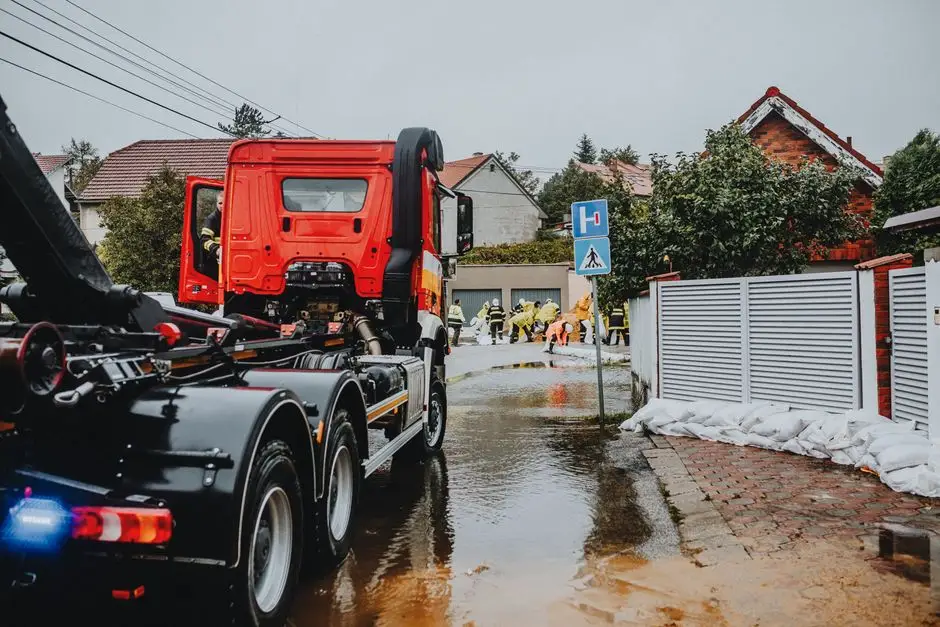
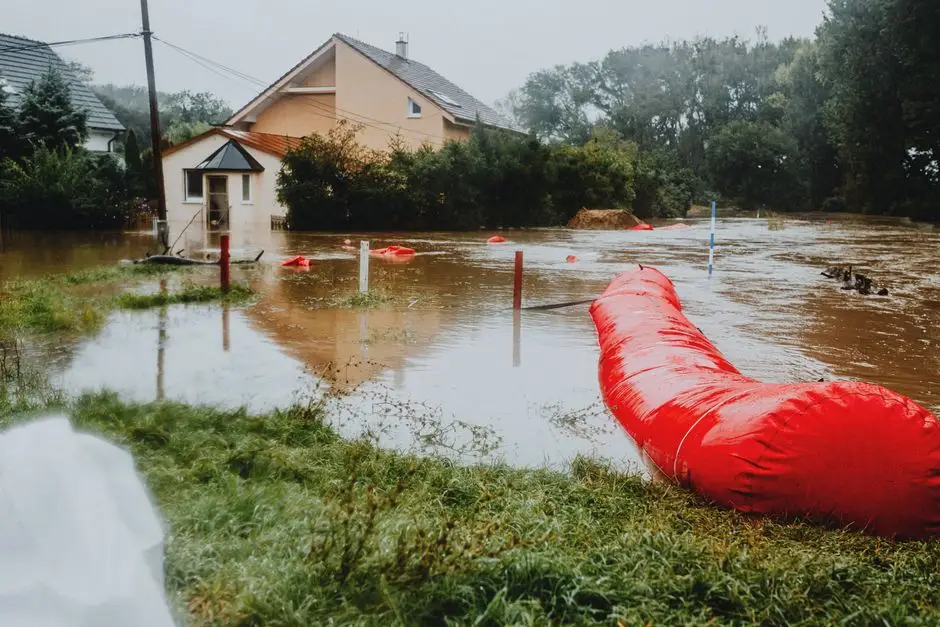
Most of our Miami Gardens calls come from homeowners and landlords dealing with water in a house they live in or rent out. The housing stock here ranges from 1950s block homes in Carol City to newer townhouse rows in Andover, and each type fails differently. Older homes have plumbing past its service life and slabs that hold water. Newer homes have tighter construction that traps moisture in wall cavities. Either way, the priority is the same: get the water out, dry the structure, and protect your family from mold. If you need emergency water removal Miami Gardens FL, we handle the whole job from extraction to final moisture check.
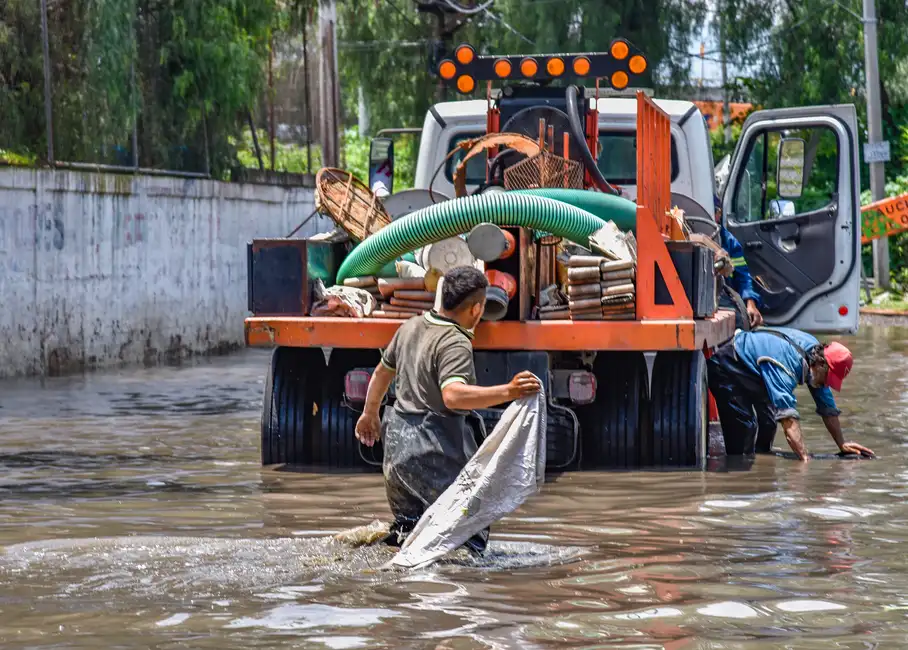
We extract standing water from carpet, tile, hardwood and concrete with truck-mounted and portable units, then set air movers and dehumidifiers to dry the structure. In Miami Gardens, we check the slab with a moisture meter on every visit because the high water table keeps pushing moisture up until the ground dries.
Flooded basements in Bunche Park and Carol City are usually a high-water-table problem, not a plumbing one. We pump the water out, dry the slab with floor drying mats, and monitor until the concrete reads dry. We also check the walls for wicking, which is common in older Miami Gardens homes.
Sewage backups in Miami Gardens are category 3 water events. We extract, remove affected porous materials, apply antimicrobial solution and disinfectant, and run HEPA air scrubbers. We do not just dry it and leave it, because contaminated water leaves behind bacteria and odor that come back if not treated properly.
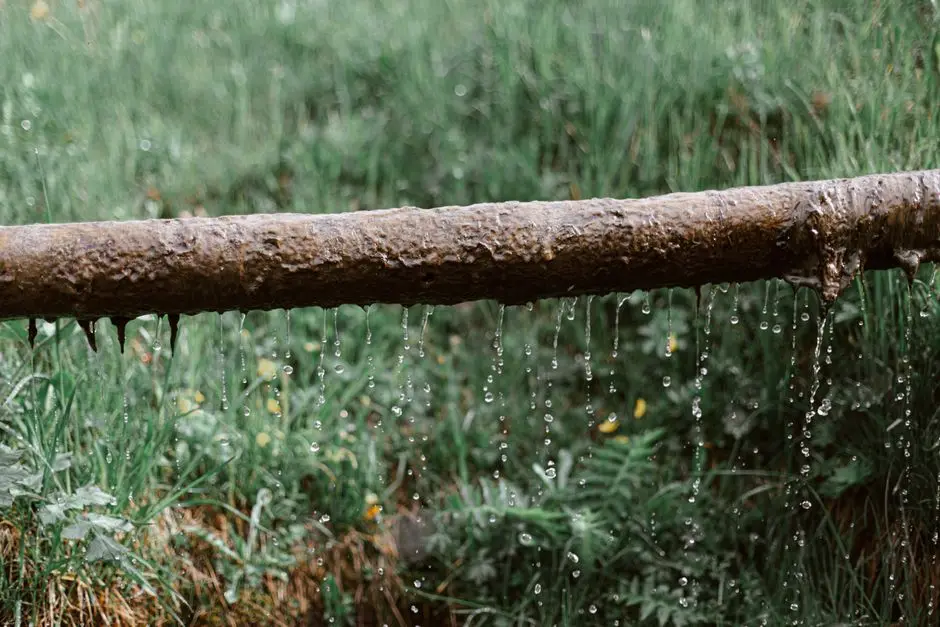
After heavy rain, roof leaks show up as ceiling stains and wet insulation in Norland and Andover homes. We trace the leak with infrared thermometers and moisture meters, extract the wet material, and dry the joists and framing. We document the leak path so your roofer can fix the source, not just the stain.
- Fast extraction within 60 minutes across most Miami Gardens neighborhoods, including nights and weekends.
- Full documentation with moisture readings and photos that your insurance adjuster can use to approve your claim.
- Daily monitoring with moisture meters so we pull equipment as soon as the structure is dry, not on a fixed schedule.